
Understanding Bias in AI: Addressing Challenges for Ethical Decision-Making
Bias in data and decision-making has become a hot topic in our ever-evolving AI world! Think of it like a party where some guests (biases, a.k.a. the uninvited troublemakers) crash in and start messing with the playlist. Bias refers to those sneaky, systematic errors that can skew outcomes. This ends up giving AI systems a case of the misjudgments, whether it’s in hiring, criminal justice, or healthcare. We need to tackle bias head-on if we want fair and trustworthy tech!
Understanding AI and Its Relationship to Bias
Picture AI algorithms as inquisitive little puppies—they love to learn from their surroundings (aka data) but if the data is filled with biases, then our cute puppy will turn into a growly monster of misinformation! There are three main types of bias that can cause our AI to stumble: data bias, algorithmic bias, and human bias. Data bias happens when the training data doesn’t give a fair shake to everyone. Algorithmic bias shows up when the algorithms are designed by humans in a not-so-neutral way. And then, of course, there’s the gracious human influence (read: biases) that creeps in during AI development. Let’s just say, there have been enough “oops” moments to start a bias blooper reel!
AI Mechanisms to Address Bias
So, how do we put on our superhero capes and save the day? There are some nifty strategies that can help us keep bias at bay! First, we can diversify our data like we’re throwing a party with guests from all backgrounds—everyone deserves an invite! This means grabbing diverse datasets and even cooking up some synthetic data to fill in the gaps. We can get algorithmic adjustments and fairness metrics in the mix to create fairness-aware algorithms. Think of them as our bias-fighting gadgets! Adjusting cost functions is like giving our algorithms a workout to minimize bias, and let’s not forget continuous learning and feedback loops that help AI adapt to changing data like a pro.
Case Studies: Successful AI Interventions
Now, let’s take a fun detour and look at some dazzling success stories! In the hiring realm, AI is transforming the game, making it easier to sniff out bias in résumés and interviews. Bye-bye, biased hiring practices! In law enforcement, AI tools are stepping up to provide unbiased sentencing recommendations, ensuring fairness for all. And in healthcare? AI has been instrumental in offering equitable patient treatment, breaking down barriers across demographics like a magician on a mission!
Limitations of AI in Eliminating Bias
Hold your horses, though! Even with all these advancements, challenges remain lurking in the shadows. The quality of our training data can be a tricky little beast, impacting how well our AI can identify and zap biases. Plus, defining fairness is like herding cats—everyone has their unique perspective on what “equitable” really means. And just when we think we’ve put a lid on bias, new forms might pop up like unwanted balloons at a kiddie birthday party. It’s an ongoing battle that calls for constant vigilance!
The Role of Human Oversight in AI Bias Mitigation
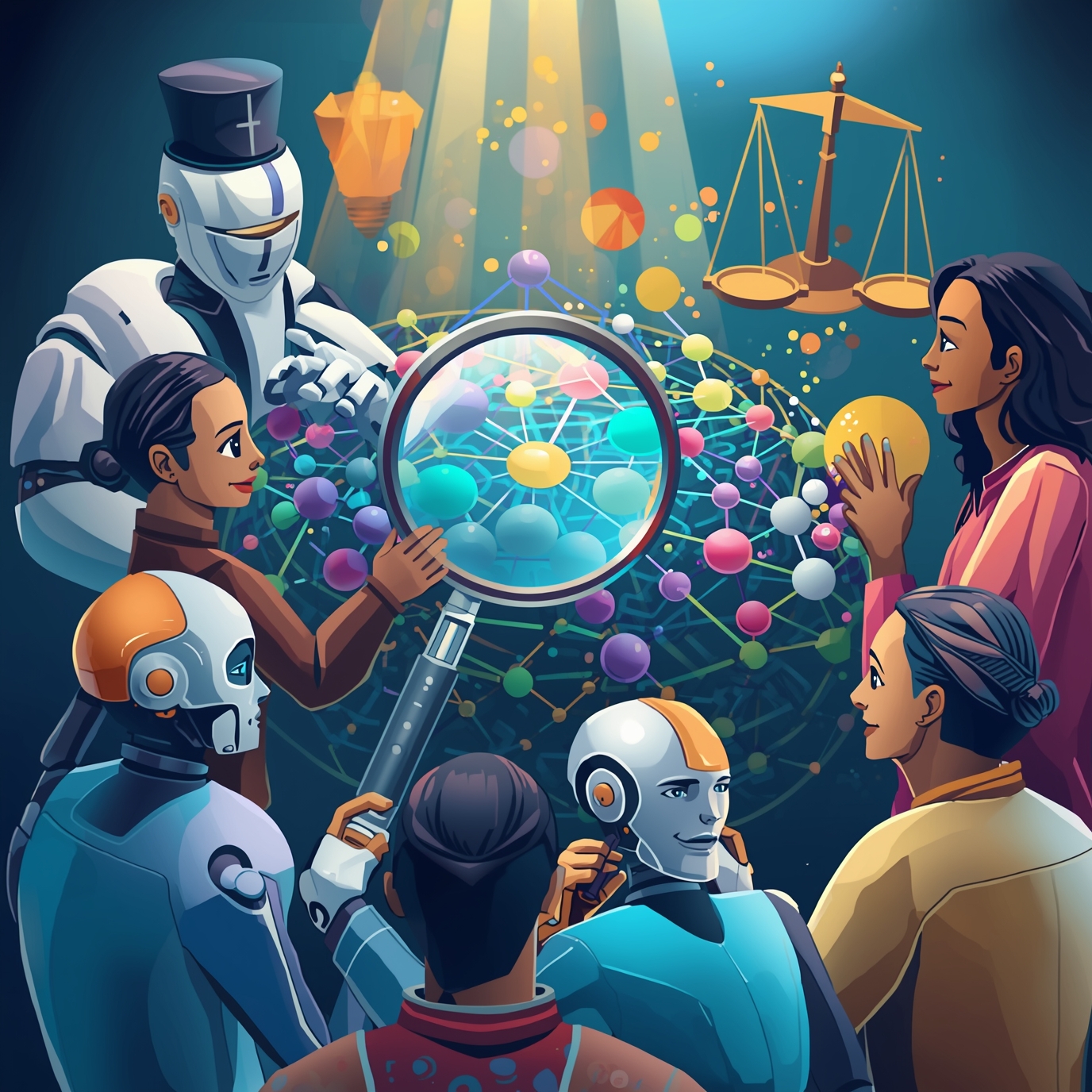
Here’s where the human touch comes into play! Human oversight is absolutely critical for ethical decision-making and bias mitigation. We don’t want to leave our AI systems to run wild like toddlers on a sugar rush! Forming interdisciplinary teams can provide a delightful concoction of perspectives to tackle bias effectively. Plus, ethical considerations and regulatory frameworks are our trusty guides in responsibly rolling out AI technologies.
Future Prospects of AI and Bias Mitigation
The future is looking bright for AI and bias mitigation! With emerging technologies and innovative solutions, we can team up with technologists, ethicists, and policymakers to whip up some comprehensive strategies. Educating folks on promoting fairness is key, empowering them to kick bias to the curb and adopt proactive measures.
In a nutshell, tackling bias in AI is a journey akin to a wild rollercoaster ride—it’s thrilling, unpredictable, and requires a collaborative approach! By grasping the concept of bias, ensuring robust human oversight, using advanced techniques, and committing to ethical practices, we can work towards a tech-filled tomorrow that serves everyone fairly. Now, let’s raise a toast to that future!
About the Author