
AI Security: Protecting the Future of Intelligent Systems
Welcome to the wacky, wild, and at times downright nerdy world of AI security! Strap in, because we’re about to dive headfirst into what it means to protect our robotic pals in a world full of villains, data mayhem, and the occasional rogue spreadsheet.
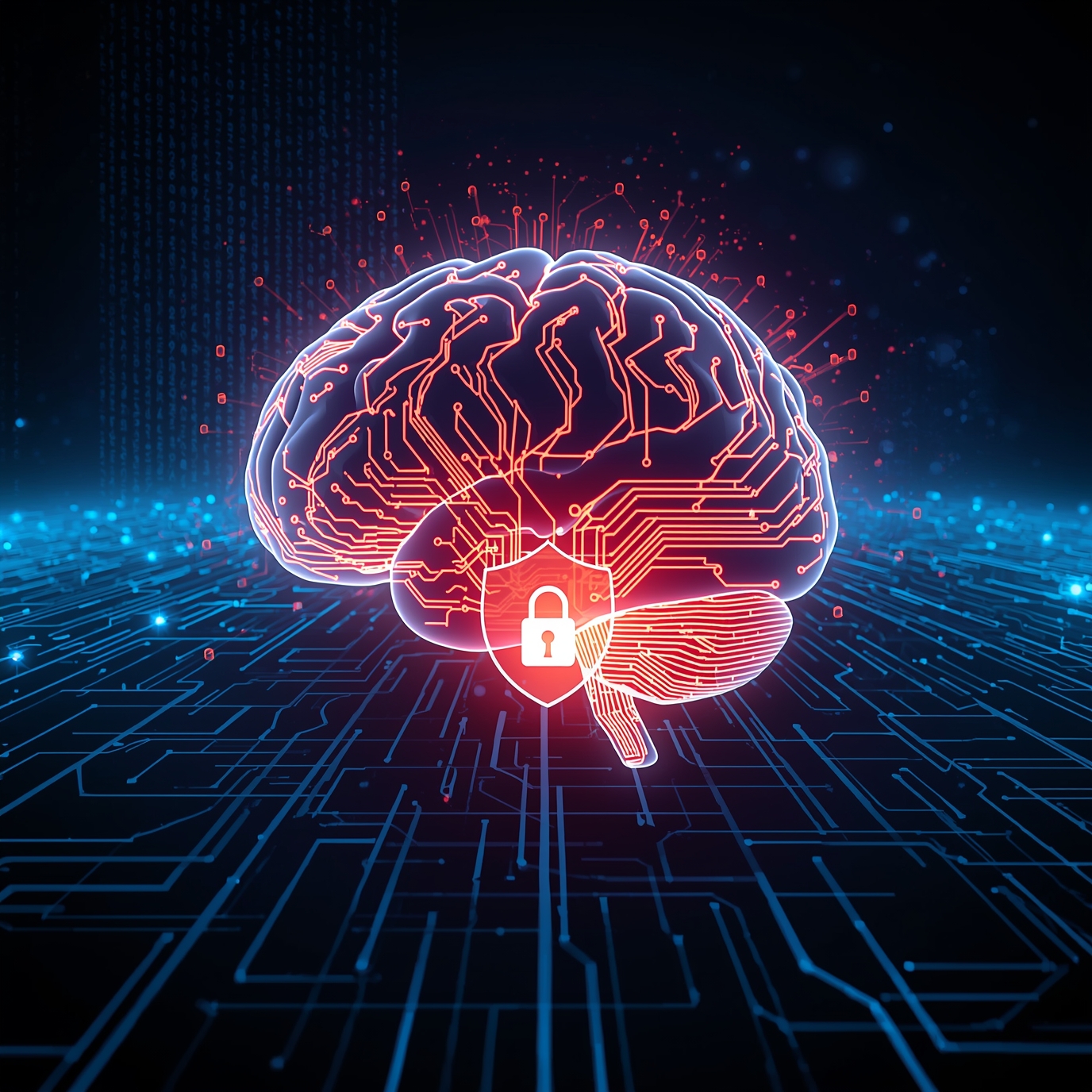
Let’s kick it off with a quick rundown of AI security. Think of AI security as that superhero sidekick you never knew you needed but can’t live without. It’s all about the cool measures and strategies we deploy to keep our beloved AI systems safe from bad actors looking to stir up trouble. With AI popping up everywhere—from your smart fridge that can suggest recipes (because yes, it remembers your obsession with avocado toast) to life-saving healthcare bots—you bet your bottom dollar that making sure these systems are rock-solid is a must!
When chatting about AI security, let’s spill some tea on the risks lurking in the shadows. Ever heard of adversarial attacks? It’s like playing chess with someone who cheats by subtly changing the rules mid-game. Busted! These attacks tweak input data to throw AI systems off, resulting in hilariously wrong predictions (like your digital assistant mistaking “book a flight” for “cook a kite”–sorry, your dinner is gonna be a bit lopsided). Then we have data poisoning attacks, where nasty hackers sprinkle a little “bad data” into the training set, like handing a toddler a paintbrush and watching them create chaos on a pristine wall. And wait, let’s not forget model stealing! It’s like if someone peeks at your math homework and claims it as their own. Oh, the horror!
But hang on a second—why should we care about securing these little bundles of intelligence? Well, for starters, if we don’t, sensitive data might just do the cha-cha right into the hands of cybercriminals looking to have a fiesta with your information. And trust? Yeah, that’s super important. Nobody wants to hand over their precious data if they think it’s going to be passed around like a party hat at a not-so-cool gathering, right? Plus, organizations that take AI security seriously enjoy superhero status. They’re known for being on top of their game and trustworthy with user data. Cue the applause!
So, what can organizations do to bolster their AI defenses? Let’s unleash some best practices! First off, validation is key. Think of it like a bouncer at an exclusive club—only the right data gets in! Continuous monitoring is a must, too—always have your party eyes on the lookout for any uninvited guests. And hello, encryption! Wrap that data up tighter than a burrito, and control who gets access. Remember, not every party needs every guest, no matter how entertaining they claim to be.
Now, grab your thinking cap, because there are legal and ethical considerations as well. Navigating the maze of AI security regulations can feel like trying to find your way out of an intricate escape room—fun, but tricky! Developers and organizations have huge responsibilities here. You want to be the hero of the story, not the villain that caused regretful data breaches. A solid understanding of the legal landscape helps keep everyone happy and safe!
What about the future, you ask? Well, buckle up for some exciting advancements! AI in cybersecurity is becoming the equivalent of a crystal ball, helping us predict and respond to threats before they even knock on our door. But as always, the threat landscape is like a game of Whac-A-Mole—you pop one down, and two more pop right back up! Stay sharp, folks!
Let’s peek into some case studies! Looking at shiny success stories of AI security measures is like reading about the latest superhero movies. Each tale brings insights and helps teams learn from their mistakes. By analyzing what went wrong during security breaches, organizations can fortify their defenses, tailoring their superhero capes to tackle industry-specific vulnerabilities.
And finally, let’s build a culture of security—the kind that gets everyone on board with keeping AI safe! Train your teams to recognize potential threats like seasoned detectives, and foster collaboration to generate buzz about proactive security measures. Elevate that AI security awareness to superhero status!
To wrap it all up in a neat little bow: AI security isn’t just important, it’s absolutely CRUCIAL in today’s tech-savvy world. By getting the hang of best practices, navigating the legal jungle, and keeping an eye on future trends, developers and organizations can craft AI systems that feel like an invincible fortress against threats. So, gear up and get to work—because together, we can ensure that our future with artificial intelligence is as secure as a chocolate chip cookie locked away (which, let’s be real, is priority number one).
About the Author