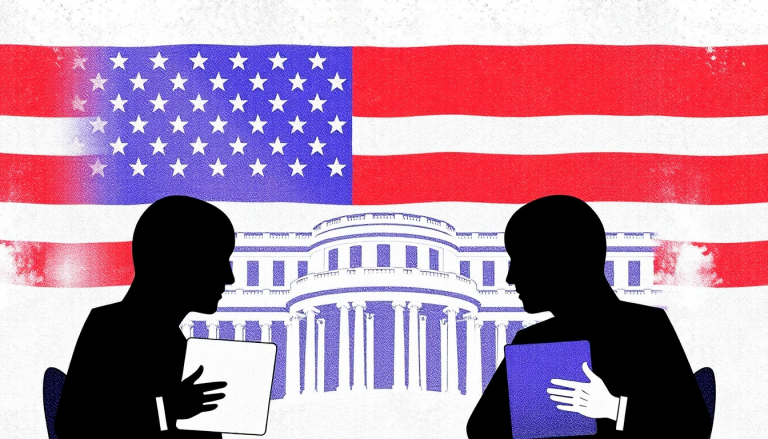

Sure! Here’s a lively and engaging rewrite of your blog post about strengthening U.S. federal cybersecurity. Let’s make it fun and entertaining!
—
Title: Strengthening U.S. Federal Cybersecurity in the Face of Rising Cyber Threats
I. Introduction
Welcome to the wild world of cybersecurity – where the stakes are high, and the hackers are ready for action! As we leap into the glorious chaos that is our digital age, protecting U.S. federal cybersecurity has never been more important. With cyber threats popping up like caffeinated rabbits, it’s crystal clear that we need to address those pesky vulnerabilities. Let’s dive into this electrifying landscape and ensure that our sensitive government information doesn’t end up as fodder for cybercriminals with a penchant for mischief!
II. Current Cyber Threat Landscape
Federal agencies are facing more cyber threats than a teenager on social media. Buckle up; here comes a rollercoaster of threats!
A. Types of Cyber Threats Facing Federal Agencies
1. Ransomware Attacks
Imagine waking up one day and being asked for a king’s ransom to access your own data. That’s ransomware for ya! These attacks have skyrocketed faster than you can say “byte me,” disrupting crucial services like they just won the lottery.
2. Phishing and Social Engineering
Ah, phishing – not the kind that requires a pole and some worms, but rather the deceptive tricks that cybercriminals use to hook unsuspecting employees. With their sly social engineering tactics, it’s like they’re luring people in with the promise of free pizza!
3. State-Sponsored Attacks
And then we have state-sponsored attacks, where a game of digital cat and mouse turns into a high-stakes poker match. These super-sophisticated threats are like the James Bond of cyber threats, and they’re coming for our national security like it’s the last donut at the office break room.
B. Notable Recent Incidents and Breaches
1. Timeline of Significant Cyber Breaches
Let’s roll back the clock and see some of the biggest breaches, revealing the gaping holes in federal infrastructure. Spoiler alert: it’s a little like watching a horror movie where all the characters make the worst choices possible.
2. Impact of These Breaches on Federal Operations
These breaches aren’t just a mere inconvenience; they’ve led to operational slowdowns, financial losses, and trust issues that would make even the most jaded therapy client shed a tear. It’s a tough life being a federal agency these days!
III. Federal Cybersecurity Framework
Let’s turn our gaze to the mighty framework designed to fend off these digital nasty guys!
A. Overview of Existing Policies and Regulations
1. Cybersecurity Framework (NIST)
The NIST Cybersecurity Framework is like your super-reliable, nerdy friend who always has a plan for managing risks. It sets the stage for federal agencies to navigate this treacherous landscape.
2. Federal Information Security Management Act (FISMA)
Enter FISMA, our friend and guardian, laying down the law on how the federal government should secure its information systems. Think of it as the blueprints for a fortress – one that’s heavily fortified against sneaky intruders.
B. Evaluation of Their Effectiveness
1. Strengths and Weaknesses
Let’s face it, no framework is perfect! While some parts shine brighter than a freshly polished trophy, others have a few scratches. We’ll break down what works and what needs a little extra love.
2. Compliance Challenges
And oh boy, compliance can feel like trying to untangle a box of Christmas lights! Many agencies grapple with the complexities, leaving us wondering if they’ve got enough caffeine to keep the cybersecurity improvements rolling.
IV. Challenges Facing Federal Cybersecurity
Despite the sturdy frameworks, it seems obstacles are everywhere!
A. Budget Constraints and Resource Allocation
“More budget, please!” is the rallying cry of federal agencies trying to beef up their cybersecurity efforts. Limited budgets are like a diet for security measures – just when you think you’re getting somewhere, boom!
B. Workforce Shortages and Skills Gaps
Where are all the cyber wizards? A shortage of trained professionals is like looking for a needle in a haystack, but the haystack is also on fire.
C. Outdated Technology and Infrastructure
Ah, legacy systems – standing there like that old couch no one wants to sit on. They leave agencies vulnerable to attacks, and let’s be honest, it’s like bringing a butter knife to a sword fight!
D. Coordination and Communication Failures Among Agencies
Trying to get federal agencies to coordinate is like herding cats. Poor communication only widens those gaps in security, creating a less-than-ideal scenario.
V. Emerging Technologies and Best Practices
Now let’s put on our superhero capes and check out the exciting tech joining our cyber crusade!
A. Role of AI and Machine Learning in Enhancing Security
With AI and machine learning, we can upgrade our defenses faster than you can say “robot uprising.” These intelligent systems will help us stay one step ahead of the ever-evolving threats.
B. Zero Trust Architecture and Its Implementation
Zero Trust isn’t just a catchy buzzword; it’s a strategy demanding verification for every access attempt. Think of it as gated community living for our data – everyone must show their ID at the door!
C. Importance of Continuous Monitoring and Threat Intelligence
Proactive monitoring is like having a security guard that never sleeps! Combining threat intelligence with constant vigilance will ensure we’re ready for whatever the cyber world throws our way.
VI. Recommendations for Strengthening Federal Cybersecurity
Let’s serve up some spicy recommendations on how to beef up cybersecurity!
A. Increasing Budget Allocations for Cybersecurity Initiatives
Dolla dolla bills, y’all! By boosting budget allocations, we can make sure critical cybersecurity initiatives have the funds to flourish!
B. Investing in Workforce Development and Training Programs
Time to suit up! Investing in training programs means building a workforce that’s ready to take on the cyber world, armed with knowledge and skills.
C. Enhancing Collaboration Between Public and Private Sectors
Let’s bring the public and private sectors together for some cybersecurity collaboration. Think of it like Batman and Robin working side by side to keep the digital Gotham safe!
D. Regular Audits and Assessments of Cybersecurity Measures
Regular audits are like that friend who always checks to see if you locked your front door. They keep our defenses strong and help us stay on top of potential threats.
VII. Conclusion
So there you have it! Strengthening federal cybersecurity is no small feat, but it’s absolutely essential. With collaboration among policymakers, agencies, and industry stakeholders, we can arm ourselves against cyber threats that loom in the shadows. Let’s rally together and keep our digital landscape safe and sound!
—
I hope you enjoyed the whimsical ride through the world of cybersecurity! 🦸♂️💻
About the Author