

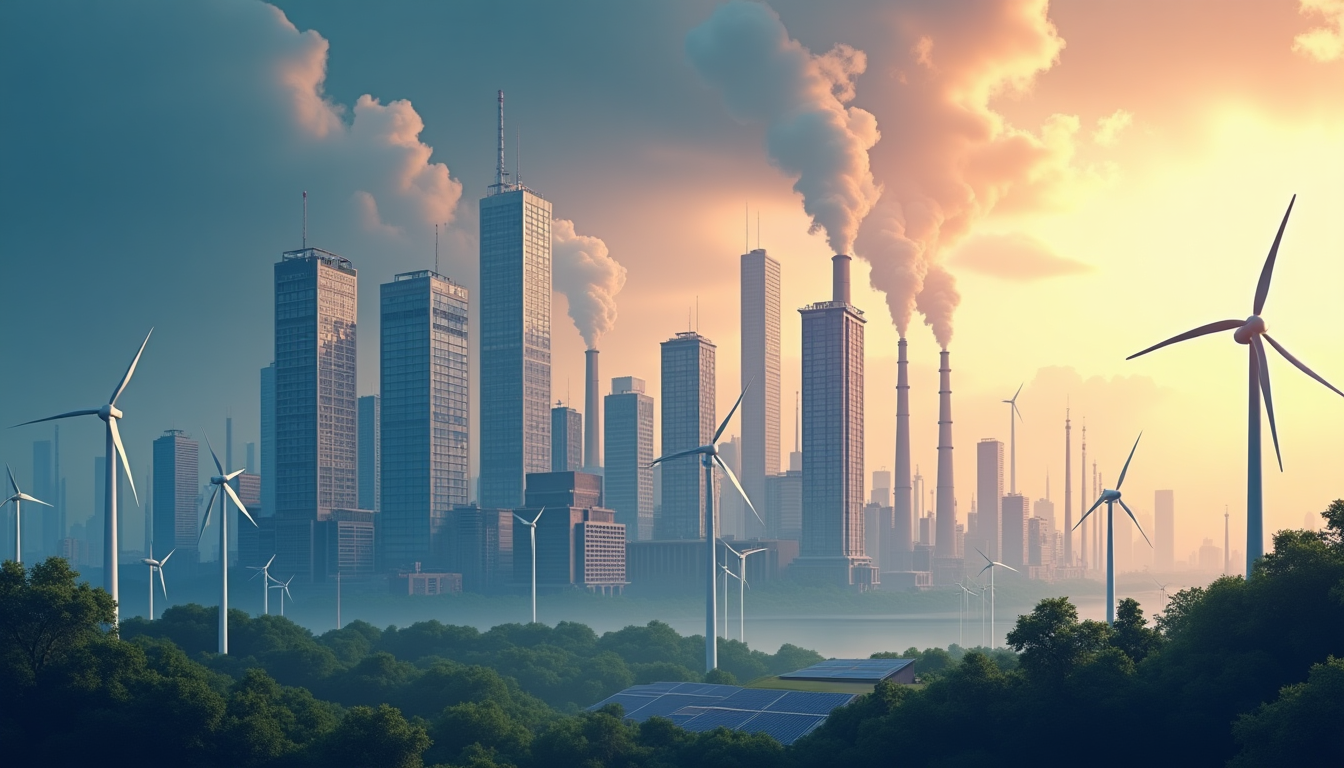
The AI revolution is cruising along at a breakneck speed, transforming industries and flipping our world upside down! But hold onto your hats, folks, because while artificial intelligence is making waves, we need to take a quick pit stop to check out its environmental impact. Yep, those cool AI gadgets and gizmos come with a hefty carbon footprint, and it’s time to dive into the nitty-gritty!
Let’s talk about that sneaky little thing called the carbon footprint. You see, AI loves to gobble up energy—kinda like how I devour pizza at an all-you-can-eat buffet. A whopping 70% of AI’s energy munchies come from training and running these giant models in data centers. Yep, those heavy-duty calculations don’t just happen with a sprinkle of magic; they require a whole lot of juice!
So what’s behind those emissions? Well, it’s a combo of factors! The training of massive neural networks is like waiting for a pot of water to boil. You think it’s quick? Nope, it’s slow and consuming way too much energy. Plus, when you’re running those AI applications in real time, it’s like having a race car engine revving at full throttle—lots of purring, but oh boy, the gas it guzzles!
But blitzing past the negatives, let’s take a moment to celebrate the silver lining! AI has a superhero cape tucked away and can help reduce carbon emissions. Think about it:
– AI can work its magic in smart grids to save energy. Think of it as your smart friend who always knows when to turn off the lights.
– In farming, AI is a precision wizard. It helps cut down waste and ramps up crop yields, kind of like a growth spur on your favorite plant.
– Plus, when it comes to renewable energy, AI is like the ultimate wingman, making solar and wind power as cool as they should be.
But before we get too cozy with our AI pals, let’s address the elephant in the room (or should I say the carbon monster?). While AI promises big things, its growing capabilities often lead to higher energy demands. It’s like the classic case of “you get what you pay for”—the more powerful the AI, the more energy it insists on draining, leading to an alarming carbon footprint. And let’s be real—if we race ahead without considering sustainability, we might be waving goodbye to Mother Earth!
So, what’s the game plan here? Mitigating AI’s environmental impact requires some serious teamwork! Here are a few fun strategies to keep that carbon in check:
– Develop energy-efficient algorithms that cut down those computational demands. Think of it like getting a workout without panting like a dog!
– Power up data centers with renewable energy. Solar panels? Yes, please! Wind turbines? You got it! This transition could save us a boatload of emissions while making our energy bills less scary.
– Let’s make AI hardware a bit of a recycling superstar! Embracing a circular economy means fewer e-waste piles and happier landfills. Go planet, go!
Now, let’s talk policy! We need our tech geniuses and lawmakers to join forces like a superhero squad. It’s time to roll out some regulations on AI emissions and encourage eco-friendly research. When tech companies hang out with environmental organizations, magic happens! Together, they can conjure up AI solutions that are not just clever, but also planet-friendly.
And guess what? Everyone in the AI ecosystem has a part to play in this game. Companies need to adopt sustainable strategies—no more reckless AI behavior! And hey, consumers? Get educated on the energy demands of AI tools. Knowledge is power, and knowing how to make informed choices can spark real change! Last but not least, our scholarly friends in academia should keep digging for those sustainable AI breakthroughs. The future depends on it, folks!
In a nutshell, the environmental impact of AI is a big deal—and we all need to pay attention. As we steer through this high-tech future, let’s keep an eye on our planet and actively commit to sustainable practices. It’s not just about harnessing AI’s superpowers; it’s about doing it while keeping the Earth super healthy too!
When we take a beat to acknowledge AI’s dual nature—its brilliance and its carbon footprint—we can craft a more sustainable technological landscape. So, let’s join hands and tackle this challenge together. It’s time to have fun, innovate, and save the Earth, one algorithm at a time!
About the Author