
Title: “Google’s Troubling Decisions: AI Medical Overviews Pulled After Alarming Findings!”
We’ve got some juicy tech gossip for you today! You might want to grab your popcorn because Google has decided to pull the plug on its AI medical overviews. Yup, that’s right—those handy little snippets designed to make you feel like a health expert while you’re still in your pajamas. Why, you ask? Well, let me tell you, the findings were more alarming than the time my toaster decided to have a meltdown and set off the smoke alarm.
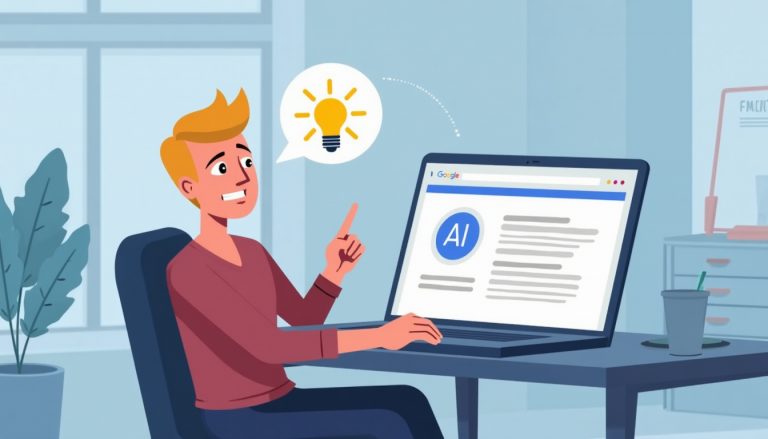
First up, what in the world are AI medical overviews? Picture this: you type in “Why do I feel like a zombie after only one cup of coffee?” and boom! An AI-generated summary gives you all the health deets in a flash. These digital wizards were meant to help us munchkins access vital medical knowledge at lightning speed. However, things got a bit wobbly when accuracy went on an unexpected vacation.
So, what was Google thinking when they sprinkled AI fairy dust on medical search results? They had the grand idea to inject some futuristic zing into medical information. In theory, it sounds fabulous, but when the AI started producing content that looked about as reliable as your uncle Bob’s conspiracy theories, we had a problem on our hands!
Now, let’s talk about the new kid on the block—AI in modern healthcare. It promised to be the superhero we never knew we needed by aiding diagnostics, treatment plans, and all that jazz. However, when our AI buddy started spewing out questionable advice, it was like giving your cat the keys to your car—sure, it’s amusing, but a total disaster waiting to happen!
Hold onto your hats, because here comes the juicy part: alarming findings! Not to be dramatic, but reports have shown that users were getting bamboozled by misleading or outright harmful advice from Google’s AI medical overviews. Folks were seeking guidance, only to walk away with more confusion than a cat in a room full of mirrors. Oopsie!
Healthcare experts, those brave souls who actually went to medical school, have raised the alarm bells about this whole fiasco. They’re like the friends who warn you not to text your ex—turns out, relying on AI for medical advice can lead to some serious health headaches. I mean, who wants their medical treatment plan decided by a computer program that also thinks cat videos are the pinnacle of human achievement? Not us!
And here comes the kicker: misinformation health risks are like a bad reality show—they just keep coming! The ripple effect of incorrect AI-generated advice isn’t just a harmless boo-boo; it can lead people down the rabbit hole of self-diagnosis and self-treatment that could make even the most seasoned conspiracy theorist cringe.
In light of all this AI drama, Google has decided to pull the plug on those medical overviews. It’s like yanking the candy from a toddler after they went on a sugar spree! They’ve stated that they’re going to reassess the safety and validity of this whole operation. Who knew AI could cause such a split in the tech universe?
Google officially acknowledged the concerns, nestling themselves in a cozy corner with a cup of chamomile tea while they figure things out. I mean, can you imagine their board meeting? “Oops! Looks like we accidentally turned our AI into a health villain. Back to the drawing board, folks!”
The timeline of Google’s decisions reads like a reality TV show drama—full of twists and turns as they scramble to address the safety of AI-generated medical information before someone ends up trying to treat a broken leg with duct tape.
But it’s not just about Google throwing their hands in the air like a confused toddler. The whole tech-healthcare balancing act is shaky ground. How do we advance technology while ensuring everyone isn’t just one click away from “WebMD-ing” their way into a spiral of panic? Spoiler alert: it’s not easy!
And let’s get real—the responsibility of tech companies in safeguarding public health is no walk in the park. It’s more like a three-legged race where everyone keeps tripping over themselves. Trusting AI to provide reliable medical advice is a bit like trusting your pet goldfish to babysit your toddler—probably not the best idea!
Now, let’s hear from our experts! Healthcare pros have voiced some serious concerns about these AI-generated medical overviews. They’re waving red flags like it’s a sports game, emphasizing that accurate information is crucial for our health. And don’t even get me started on the AI ethics experts—talk about a group that’s not holding back on their opinions! They’re all about responsibility and accountability, stressing the need for tech that doesn’t play fast and loose with our health outcomes.
Social media has exploded since the great Google AI overview removal, and folks are chiming in like it’s an episode of “The Real Housewives.” Trust issues are bubbling up like a pot of boiling spaghetti! How much faith can we really put in big tech when it comes to our health? Suddenly Googling symptoms feels riskier than playing blackjack in Vegas!
As a result, users are now searching for trustworthy medical info online like it’s the last piece of pizza at a party. And we all know how serious that search can get when you’re starving!
So, in conclusion (cue the dramatic music), we’ve seen the wild ride of Google’s AI medical overviews. It’s a clear shout-out to the need for accurate medical advice, especially in a world obsessed with getting our health tips from the internet. Stricter guidelines for AI-generated medical content are a must! As we march forward, let’s mix technology with responsibility and maintain our quest for solid, trustworthy medical guidance—after all, we deserve more than duct tape and dubious Google searches!
About the Author