
The Rise of AI in Healthcare: Boosting Trust for Self-Diagnosis Tools
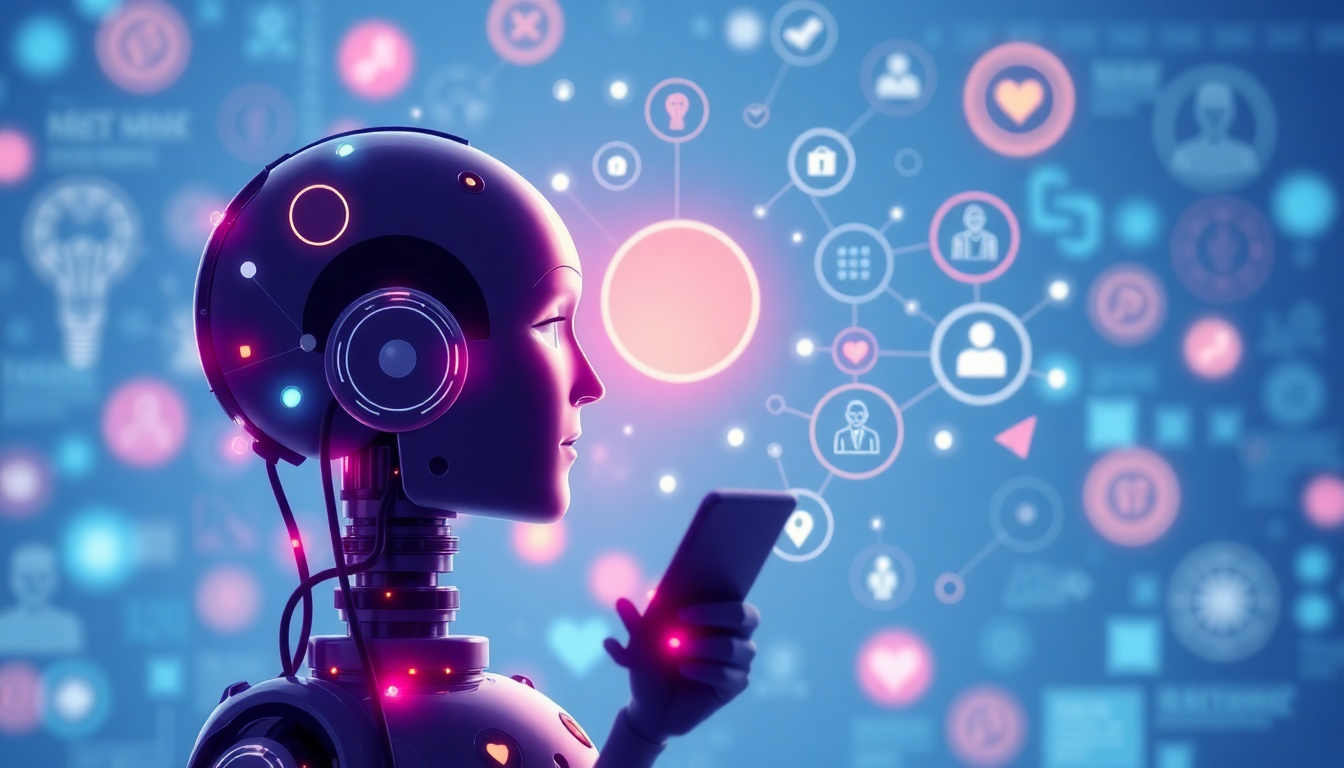
Alright, folks, buckle up because we’re diving headfirst into the wild, wacky world of AI in healthcare! Yes, artificial intelligence is not just for robots trying to take over the world anymore; it’s bustling its way into our doctor’s office! Thanks to AI, patients are hanging out with their digital doctors and feeling more confident about diagnosing their ailments than ever before. Let’s explore how these high-tech tools are shaking things up in personal health management and what it means for us, the bewildered patients wandering through the jungle of online health info.
First up, let’s untangle the mystery of AI in healthcare. Picture this: AI is like a digital wizard, conjuring up a variety of tools to help us understand our pesky ailments. From clever symptom checkers that take you on a delightful “What’s Wrong With Me?” journey to virtual health assistants ready to give advice at the drop of a hat (or the click of a mouse), AI is here to amplify our healthcare experience. Who knew we’d be diagnosing ourselves instead of waiting weeks for an appointment? Here are some AI marvels you should be aware of:
1. Symptom checkers – Your friendly digital doctor that’s always on standby.
2. Virtual health assistants – It’s like having a mini nurse in your pocket!
3. Predictive analytics platforms – Think of them as crystal balls for your health.
Now, let’s address the all-important trust factor. Who would’ve thought we’d be trusting software more than our well-meaning friends with questionable medical advice? Well, a recent survey from the UK shows that citizens are warming up to AI like it’s a cozy winter blanket! It turns out, there are a few key reasons we’re ready to give our robot buddies the benefit of the doubt:
1. Accessibility – AI tools are available 24/7, no appointment necessary.
2. Convenience – You can get health info from the comfort of your couch (while snacking, if you want).
3. Perceived accuracy – People think AI knows what it’s talking about. And who doesn’t love a reliable sidekick?
Now, let’s dive into the treasure trove of benefits that using AI for self-diagnosis offers! Imagine having all the health advice you need, right at your fingertips, without the fear of sitting in a waiting room and contemplating your life choices. Here’s how AI is making our lives a little better:
– 24/7 availability of information: It’s like your own personal healthcare encyclopedia that never sleeps!
– Reduction in waiting times: Goodbye, marathon waiting room sessions!
– Empowerment through knowledge: When you’re armed with info, you feel like a health superhero!
But wait, don’t go thinking it’s all smooth sailing! Even with all these perks, there’s a few hiccups. Like any good sitcom, the plot thickens! Here are some challenges we still face in the land of AI self-diagnosis:
– Limitations of AI in accurate diagnosis: Sorry, buddy, but algorithms are not magically omniscient.
– Potential risks of self-diagnosis: Misinterpreting AI results might lead to you believing you have a rare condition when it’s just a nasty cold!
– Dependence on technology over professional medical advice: Let’s not replace our friendly neighborhood doctor just yet, okay?
And speaking of real-world effects, let’s chat about some AI tools that are strutting their stuff in the healthcare field. Take virtual health assistants, for example. They’ve got some success stories and critiques from users—because, let’s face it, technology isn’t perfect. It’s like a toddler: sometimes it works beautifully, and sometimes it throws a tantrum.
Experts are weighing in too! Healthcare professionals are sharing their mixed feelings about AI in self-diagnosis, reminding us that while tech is cool, it shouldn’t replace that “oh-so-important” human touch. A balance between AI and traditional medical advice is the magic formula for optimal patient care!
Now, fasten your seatbelts, because the future of AI in healthcare is looking bright! Experts predict that as tech gets even fancier, we’ll see a delightful evolution of self-diagnosis tools. This means patient-doctor relationships will transform into collaborative partnerships instead of the traditional “Talk to the hand” dynamic.
In conclusion, the rise of AI in healthcare is like a rollercoaster—thrilling, a bit scary, and definitely filled with twists and turns. As trust in AI grows, it’s changing how we manage our health. But hold onto your stethoscopes; the best outcomes will still come from pairing top-notch AI tech with expert human guidance! So let’s embrace this digital age of healthcare—because who wouldn’t want a little extra help when navigating the complicated world of self-diagnosis?
And hey, remember: while AI might give you a solid clue about how you’re feeling, nothing beats a hug from your doctor. Now go forth and diagnose wisely!
About the Author